



The Importance of Drain Maintenance for Commercial Properties
Drains are one of the most overlooked parts of a commercial property—until something goes wrong.
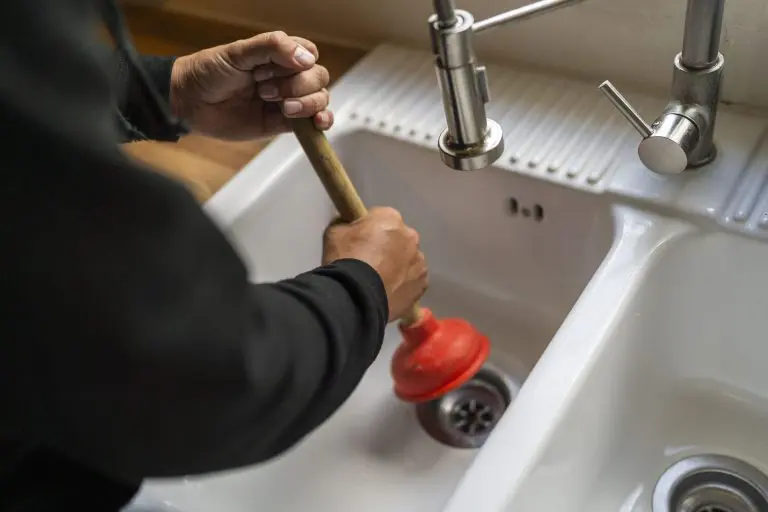
A slow-draining sink, unpleasant odour or blocked gully might seem like a minor inconvenience, but these can often be early warning signs of a much larger problem.
Without regular maintenance, drainage issues can escalate into flooding, business disruption, expensive repairs and even health and safety risks.
That’s why proactive drain maintenance should be a key part of every commercial property’s maintenance strategy.
Why Drain Maintenance Matters
Commercial drainage systems work hard every day.
From office buildings and retail units to schools, healthcare facilities and industrial sites, drains are constantly carrying wastewater away from the building.
Over time, debris, grease, leaves and general wear can reduce performance and increase the risk of blockages or damage.
Regular drain maintenance helps keep systems operating efficiently while reducing the likelihood of unexpected failures.
The Hidden Costs of Poor Drain Maintenance
Ignoring drainage problems rarely makes them disappear.
In fact, small issues often become much more expensive if left unresolved.
Common consequences include:
- Flooding inside or outside the building
- Water damage to floors and walls
- Unpleasant odours
- Disruption to staff and customers
- Health and safety risks
- Emergency call-out costs
- Business interruption
For many organisations, the indirect cost of downtime can be greater than the repair itself.
Common Causes of Drainage Problems
Commercial drainage systems can become blocked or damaged for a variety of reasons.
Some of the most common causes include:
- Grease and fat build-up
- Leaves and external debris
- Tree root intrusion
- Collapsed or damaged pipework
- Incorrect disposal of waste
- Heavy rainfall and surface water
Understanding the cause of the problem is the first step towards preventing it from happening again.
Warning Signs You Shouldn’t Ignore
Drainage issues often develop gradually.
Spotting the warning signs early can help prevent a minor problem becoming a major emergency.
Look out for:
- Slow-draining sinks or toilets
- Gurgling noises from pipework
- Bad smells around drains
- Standing water outside the building
- Overflowing gullies
- Repeated blockages
- Damp patches near drainage systems
If any of these issues persist, it’s worth arranging a professional inspection before the problem escalates.
The Benefits of Planned Drain Maintenance
Preventative maintenance doesn’t just reduce the risk of emergencies—it also helps businesses manage maintenance costs more effectively.
Regular drain maintenance can provide:
- Fewer unexpected blockages
- Reduced emergency repair costs
- Improved drainage performance
- Lower risk of flooding
- Better hygiene standards
- Longer lifespan for drainage infrastructure
- Greater business continuity
Scheduling routine inspections allows potential issues to be identified before they become costly repairs.
Learn more about Planned Preventative Maintenance
CCTV Drain Surveys: Seeing the Problem Before It Gets Worse
Some drainage issues aren’t visible from the surface.
CCTV drain surveys allow engineers to inspect the inside of drainage systems without the need for excavation.
These surveys can identify:
- Cracks or fractures
- Root ingress
- Pipe collapses
- Blockages
- Misaligned joints
- General wear and tear
By identifying problems early, businesses can plan repairs before a complete drainage failure occurs.
Learn more about our CCTV Drain Surveys
Emergency Drainage Issues: When to Act Fast
Some drainage problems require immediate attention.
You should contact a professional as soon as possible if you experience:
- Internal flooding
- Sewage backing up into the building
- Completely blocked drainage systems
- Flooding affecting access routes
- Persistent overflowing drains
- Damage caused by heavy rainfall
Fast action can help minimise damage and reduce disruption to your business.
Learn more about Emergency Drainage
Commercial Drain Maintenance Checklist
A simple maintenance routine can significantly reduce the likelihood of costly drainage emergencies.
Check your property regularly for:
- Slow-draining sinks, toilets or floor drains
- Bad smells around internal or external drains
- Standing water near gullies or car parks
- Overflowing drains during heavy rainfall
- Visible cracks in drainage covers or chambers
- Repeated drainage blockages
- Tree growth close to underground drainage systems
- Signs of water damage around drainage areas
If you notice any of these warning signs, arranging an inspection early could prevent a much larger repair later.
Prevention Is Always Better Than Emergency Repairs
Drainage systems are easy to forget – until they stop working.
By investing in regular inspections and planned maintenance, businesses can reduce the risk of flooding, minimise disruption and avoid expensive emergency call-outs.
At Trades 247, we provide commercial drainage services, planned maintenance and 24/7 emergency response for businesses across the UK. From routine drain cleaning and CCTV surveys to emergency repairs, our experienced engineers help keep your drainage systems operating safely and efficiently.
If you’d like to protect your property from costly drainage problems, contact Trades 247 today to discuss how our drainage and facilities management services can support your business.