








Fire Safety Compliance: What Every Facilities Manager Should Know
Fire safety is one of the most important responsibilities of any facilities manager.
Whether you oversee an office building, retail premises, healthcare facility, school or industrial site, ensuring your building is compliant with fire safety regulations isn’t just a legal obligation—it’s essential for protecting people, property and business continuity.
However, fire safety compliance isn’t a one-off task.
It requires regular inspections, ongoing maintenance and accurate record keeping to ensure systems remain effective and compliant.
Here’s what every facilities manager should know.
What Is Fire Safety Compliance?
Fire safety compliance refers to the measures put in place to reduce the risk of fire, protect building occupants and ensure a property meets relevant fire safety legislation.
This involves much more than installing fire alarms.
Effective fire safety includes maintaining equipment, carrying out regular inspections and ensuring fire protection systems remain operational throughout the year.
For facilities managers, fire safety should form a key part of any planned maintenance programme.
Key Fire Safety Responsibilities
Every commercial building is different, but most facilities managers are responsible for ensuring that fire safety systems are regularly inspected and maintained.
This typically includes:
- Fire alarm systems
- Emergency lighting
- Fire extinguishers
- Fire doors
- Fire signage
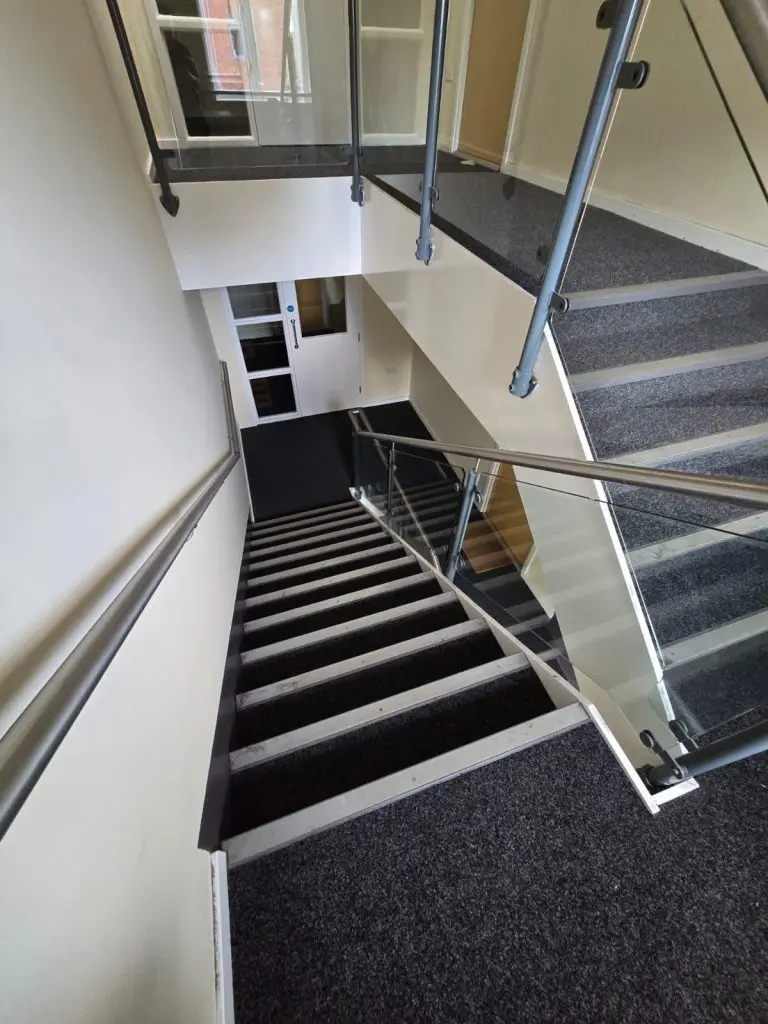
- Escape routes
- Smoke control systems (where applicable)
Keeping these systems in good working order helps ensure they perform as intended if an emergency occurs.
The Importance of Fire Risk Assessments
A fire risk assessment is the foundation of any fire safety strategy.
It identifies potential fire hazards, evaluates the level of risk and highlights actions needed to improve fire safety within the building.
Fire risk assessments should be reviewed regularly, particularly if:
- The building layout changes.
- Occupancy levels increase.
- New equipment is installed.
- Significant refurbishment work takes place.
- Existing fire safety measures change.
Regular reviews help ensure your fire safety arrangements remain appropriate as your building evolves.
Why Regular Maintenance Matters
Installing fire safety systems is only part of the process.
Without ongoing maintenance, even the most advanced systems may not operate correctly when needed.
Routine servicing helps identify faults before they become serious problems and ensures equipment remains reliable.
Regular maintenance may include:
- Fire alarm testing
- Emergency lighting inspections
- Fire door inspections
- Smoke detector testing
- System servicing
- Maintenance reporting
A planned maintenance schedule helps ensure nothing is overlooked.
Fire Doors: One of Your Most Important Safety Features
Fire doors play a critical role in slowing the spread of fire and smoke, giving occupants valuable time to evacuate safely.
However, they only perform correctly if they are properly maintained.
Facilities managers should regularly check for issues such as:
- Damaged door leaves
- Worn seals
- Faulty hinges
- Doors that fail to self-close
- Obstructions preventing doors from closing fully
Even seemingly minor defects can affect a fire door’s performance during an emergency.
Emergency Lighting: Guiding People to Safety
In the event of a power failure or fire, emergency lighting helps occupants safely navigate escape routes.
Regular testing helps ensure emergency lighting:
- Activates correctly during power loss
- Provides adequate illumination
- Remains fully operational
- Meets testing requirements
Keeping accurate maintenance records is just as important as carrying out the tests themselves.
Documentation Is Just as Important as Maintenance
Fire safety isn’t only about carrying out inspections.
Facilities managers should also ensure that maintenance records, inspection reports and testing documentation are accurate and easily accessible.
Good record keeping can help demonstrate that systems have been properly maintained and that fire safety responsibilities are being managed effectively.
This can prove invaluable during audits, inspections or insurance claims.
Common Fire Safety Mistakes
Many compliance issues arise not because systems are missing, but because they’re not properly maintained.
Some of the most common issues include:
- Fire doors wedged open
- Missed inspection dates
- Blocked fire exits
- Faulty emergency lighting
- Outdated fire risk assessments
- Poor maintenance records
- Ignoring recurring fire alarm faults
Addressing these issues early can help avoid more serious problems later.
Fire Safety Compliance Checklist
As part of your regular facilities management programme, ask yourself:
- Is your fire risk assessment up to date?
- Are fire alarms tested and serviced regularly?
- Have fire doors been inspected recently?
- Is emergency lighting tested and documented?
- Are escape routes clear and unobstructed?
- Are fire extinguishers regularly serviced?
- Are maintenance records complete and accessible?
- Have any recent building changes affected your fire safety arrangements?
If you answered “no” to any of these questions, it may be time to review your fire safety programme.
Fire Safety Is an Ongoing Responsibility
Fire safety compliance isn’t something to think about once a year.
It’s an ongoing process that requires regular inspections, preventative maintenance and proactive management.
By keeping fire safety systems properly maintained and addressing issues before they become risks, facilities managers can help protect people, property and business operations.
At Trades 247, we support businesses across the UK with fire safety compliance, planned maintenance and reactive facilities management services. From fire door inspections and emergency lighting to ongoing maintenance programmes, we help organisations keep their buildings safe, compliant and operational.
If you’d like to strengthen your fire safety strategy, contact Trades 247 today to discuss how our nationwide facilities management services can support your business.